
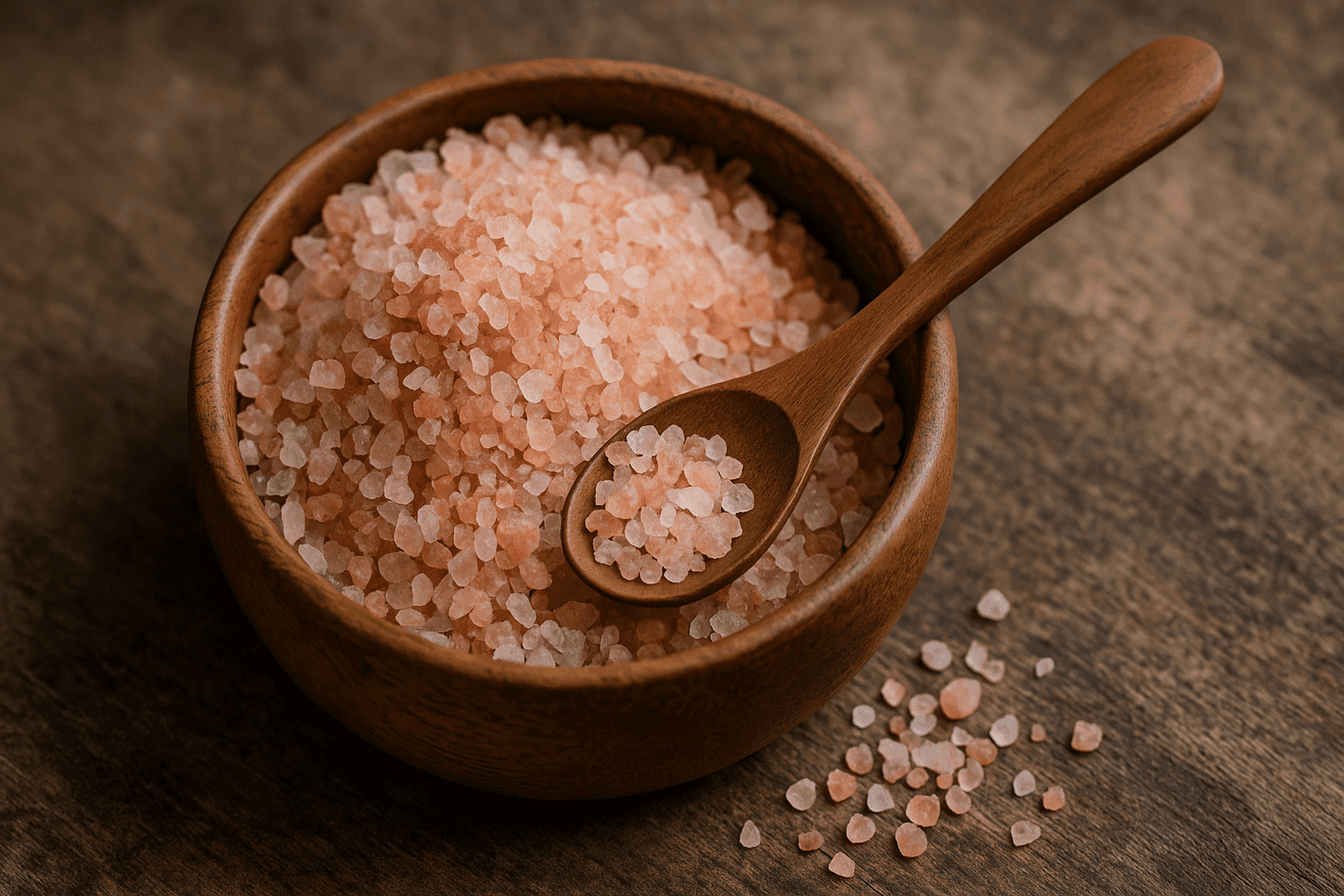
Pink salt has become a staple in health-conscious kitchens across the USA. Known for its beautiful pink hue and impressive mineral content, it offers a tasty and healthier alternative to regular white salt. In this article, you’ll learn everything you need to know about the pink salt recipe, including its benefits, how to make it, its role in weight loss, and creative ways to use it in your cooking. We’ll also answer common questions like what is the 4-ingredient pink salt trick and why is pink salt healthier than white salt.
Looking for inspiration? Try this guide to honey butter pull-apart rolls that pairs beautifully with pink salt for a savory touch.
What is a Pink Salt Recipe?
What is pink salt and how does it differ from white salt?
Pink salt, often called Himalayan pink salt, is a naturally occurring rock salt mined from the Khewra Salt Mine in Pakistan. Its distinctive pink color comes from trace minerals like magnesium, potassium, and iron. Unlike refined white salt, which undergoes bleaching and chemical processing, pink salt is less processed and retains more minerals.
While both types of salt are chemically sodium chloride, white salt is stripped of its natural minerals and often contains additives to prevent clumping. Pink salt, on the other hand, provides a natural, mineral-rich flavor and a visually appealing addition to any dish.
Why pink salt is gaining popularity in recipes
The growing awareness of healthy eating has fueled the popularity of pink salt in home kitchens. Many chefs and nutritionists recommend it not just for its subtle taste but also because it’s believed to have health benefits such as aiding hydration, improving digestion, and even supporting weight loss. Plus, it elevates the presentation of your meals with its natural blush color.
Print
Pink Salt Recipe: Healthier Alternative With Easy Homemade Tips
- Total Time: 5minutes mins
Description
This pink salt trick recipe for weight loss blends warm water, Himalayan pink salt, and fresh lemon to jump-start morning hydration, aid digestion, and offer gentle metabolic support—all in under five minutes.
Ingredients
- ¼ tsp Himalayan pink salt (fine-ground)
- 8 oz warm filtered water (240 ml) (~120 °F / 49 °C)
- 1 tbsp fresh lemon juice (about ½ lemon)
Optional Boosters
- ½ tsp raw honey (for mild sweetness)
- 1 small pinch cayenne pepper (for thermogenic kick)
Instructions
- Warm Water – Pour the warm filtered water into a heat-safe glass.
- Dissolve Salt – Sprinkle in the Himalayan pink salt and stir until crystals disappear.
- Add Flavor Boosters – Mix in the fresh lemon juice. If desired, add raw honey and cayenne; whisk briskly.
- Sip & Enjoy – Drink slowly over 2–3 minutes. Wait at least 15 minutes before coffee or food to let the blend prime digestion.
Equipment
- 1 Heat-safe 10–12 oz glass or mug
- 1 Measuring spoons
- 1 Teaspoon or small whisk for stirring
Notes
- Flavor Swap: Use lime juice in place of lemon for a tropical variation.
- Ginger Infusion: Steep two thin ginger slices for 5 minutes, then discard for extra stomach-soothing benefits.
- ACV Boost: Add ½ teaspoon raw apple-cider vinegar for probiotic support.
- Iced Version: Chill, muddle fresh mint leaves, and pour over ice as a refreshing summer electrolyte drink.
- Health Caution: People with hypertension or kidney conditions should consult a healthcare professional before making this drink a daily habit.
- Prep Time: 2minutes mins
- Cook Time: 3minutes mins
Nutrition
- Serving Size: 1 glass
- Calories: 9kcal
Health Benefits of Using a Pink Salt Recipe
Mineral content and nutritional value of pink salt
One of the biggest reasons pink salt stands out is its impressive mineral profile. Unlike table salt, which is highly processed and often fortified with iodine, pink salt remains in its natural state. It contains over 80 trace minerals and elements, including calcium, magnesium, potassium, and iron. These minerals not only give pink salt its signature color but also contribute to its health benefits.
Here’s a quick comparison of key minerals in pink salt versus white salt:
| Mineral | Pink Salt (per gram) | White Salt (per gram) |
|---|---|---|
| Sodium | ~380 mg | ~400 mg |
| Potassium | ~3 mg | <1 mg |
| Magnesium | ~1 mg | <0.5 mg |
| Iron | ~0.02 mg | ~0 mg |
These additional minerals help support electrolyte balance, promote proper muscle function, and enhance overall hydration. Discover great ideas like FDA egg recall where food safety meets better seasoning choices for a healthier lifestyle.
How pink salt supports weight loss and overall wellness
For those on a weight loss journey, the pink salt recipe is often recommended as part of a detox drink or healthy meal plan. Pink salt can help reduce water retention and curb cravings thanks to its balanced mineral content. Some believe it helps stimulate metabolism and flush out toxins from the body.
More importantly, pink salt encourages mindful cooking. Since it has a more nuanced flavor than table salt, people often use less of it, which reduces overall sodium intake — a win for your heart and waistline alike.
Don’t miss our strawberry shortcake with cake mix step-by-step to see how even desserts can benefit from a pinch of pink salt for balance.
The 4-Ingredient Pink Salt Trick Explained
Ingredients needed for the 4-ingredient pink salt recipe
The famous 4-ingredient pink salt trick has gained traction among those looking to boost their metabolism and improve hydration naturally. It’s a simple blend designed to create an electrolyte-rich drink that supports energy levels and aids digestion. Here’s what you’ll need:
- 1 teaspoon Himalayan pink salt
- 1 tablespoon fresh lemon juice
- 1 teaspoon raw honey (optional for sweetness)
- 8–10 ounces of warm filtered water
This recipe combines pink salt’s minerals with the alkalizing benefits of lemon, natural sweetness of honey, and hydration from water. It’s often consumed first thing in the morning to help “wake up” your digestive system and replenish electrolytes after sleep.
Looking for inspiration? Try this technique alongside a naked cake birthday recipe to balance indulgence with a healthy start to your day.
Step-by-step preparation of the 4-ingredient pink salt trick
- Warm the water: Heat 8–10 ounces of filtered water just until warm, not boiling.
- Mix in the pink salt: Stir until fully dissolved.
- Add lemon juice: Squeeze fresh lemon juice and mix.
- Sweeten if desired: Stir in honey to taste.
Drink this concoction slowly, ideally before breakfast, to reap its full benefits. This simple pink salt recipe is praised for its ability to restore mineral balance, curb morning hunger, and even support healthy skin thanks to its hydrating properties.
The Pink Salt Weight Loss Recipe: Fact or Fiction?
Does the pink salt recipe actually work for weight loss?
Many people swear by the pink salt recipe as part of their weight loss journey — but does it really deliver? The answer depends on how it’s used. Pink salt itself does not burn fat or melt pounds. However, it supports processes that can help you maintain a healthier weight:
- Its minerals aid in proper hydration, which is essential for metabolism and energy.
- The drink may reduce bloating by balancing sodium and potassium levels.
- By curbing cravings and stabilizing blood sugar, it can help you avoid overeating.
When used as part of a balanced diet and active lifestyle, the pink salt weight loss recipe may help you feel fuller, more energized, and less likely to indulge in processed foods. It’s not a magic bullet — but it’s a smart habit for many.
Discover great ideas like honey butter pull-apart rolls to pair mindful indulgence with healthier eating.
Scientific and anecdotal evidence on the effectiveness
While there’s no direct scientific study proving pink salt itself leads to weight loss, plenty of evidence supports proper hydration, mineral balance, and reduced sodium intake as factors in maintaining a healthy weight. Anecdotal stories from thousands of users highlight improved digestion, reduced water retention, and fewer unhealthy cravings after incorporating the pink salt drink into their mornings.
It’s best to view this pink salt recipe as one helpful tool in your weight management plan — not a substitute for a nutritious diet and exercise routine.
How to Make Your Own Pink Salt at Home
Choosing the right type of Himalayan pink salt
When preparing a pink salt recipe, the quality of the salt you choose is crucial. Not all pink salts are created equal — some cheaper brands may mix in additives or use lower-grade rocks that don’t carry the full mineral benefits. Look for these qualities when shopping:
- Fine or coarse grind: Fine works well for recipes and drinks, while coarse is better for grinders and rubs.
- Food-grade certification: Ensure it’s labeled safe for consumption.
- Origin: Authentic Himalayan pink salt comes from Pakistan’s Khewra mines.
- Color: A natural pale-to-deep pink hue indicates rich mineral content.
Avoid pink salts that appear too white, as they may be over-processed, or those with unnatural bright pink dyes.
Methods to grind and store pink salt properly
If you buy coarse pink salt, you’ll likely want to grind it for easier use. You can use a ceramic or stainless steel grinder to avoid rust and keep minerals intact. Here’s how to prep and store your homemade pink salt properly:
- Grind in batches: Only grind small amounts at a time to maintain freshness.
- Use airtight containers: Store in a glass or ceramic jar with a tight lid to prevent moisture clumping.
- Keep it dry: Store in a cool, dry place away from humidity.
If you’d like a creative kitchen project, you can even blend your pink salt with herbs and spices for a unique seasoning. For example, combine pink salt with crushed rosemary, black pepper, or lemon zest for a gourmet touch.
The Formula for the Perfect Pink Salt Blend
Suggested proportions for homemade pink salt blends
One of the most enjoyable aspects of making your own pink salt recipe is customizing it to fit your taste and needs. By blending Himalayan pink salt with complementary herbs and spices, you can craft seasoning blends that elevate your dishes while retaining all the health benefits. Below are a few tried-and-true formulas you can try:
Classic Herb Blend:
- 3 parts finely ground pink salt
- 1 part dried rosemary
- 1 part dried thyme
- ½ part garlic powder
Citrus Zest Blend:
- 3 parts pink salt
- 1 part dried lemon zest
- ½ part cracked black pepper
Spicy Kick Blend:
- 3 parts pink salt
- 1 part smoked paprika
- ½ part cayenne pepper
- ½ part ground cumin
These formulas keep the pink salt as the star while layering in unique flavors. They work great as rubs for meats, sprinkled on roasted vegetables, or even stirred into soups and stews.
Tips for flavoring pink salt with herbs and spices
When crafting your blends:
- Use dried herbs only to prevent clumping and extend shelf life.
- Store blends in small glass jars, clearly labeled with the date and ingredients.
- Shake the jar before use to evenly distribute herbs throughout the salt.
Experimenting with your own blends not only gives you control over your ingredients but also makes wonderful gifts for friends and family who love to cook.
Looking for inspiration? Try pairing your homemade blends with recipes like our naked cake birthday for a creative and flavorful culinary experience.
Why Pink Salt is Healthier than White Salt
Health risks of refined white salt
For decades, refined white salt has been a kitchen staple — but its heavy processing strips away beneficial minerals and often adds chemicals. Table salt is typically treated with anti-caking agents, bleaches, and even sugar-like additives to improve texture and color. These additives can contribute to water retention, high blood pressure, and poor mineral balance in the body.
Moreover, table salt provides only sodium chloride, lacking the diverse trace minerals that support proper bodily functions. Excess sodium without these minerals can upset your electrolyte balance, leaving you feeling bloated and sluggish.
Unique properties of pink salt that make it superior
On the other hand, Himalayan pink salt remains in its natural form, with over 80 trace minerals that contribute to hydration, nerve function, and pH balance. It delivers a more nuanced, less harsh flavor — which helps people use less of it in cooking while still enjoying rich taste.
Benefits of switching to pink salt include:
- Lower risk of water retention due to balanced sodium/potassium levels.
- Improved hydration from naturally occurring electrolytes.
- A subtle, pleasing flavor that enhances rather than overwhelms food.
- Natural, chemical-free processing.
For anyone seeking a healthier kitchen staple, the pink salt recipe offers a flavorful, nutrient-rich alternative to refined salt.
Creative Ways to Use a Pink Salt Recipe in Cooking
Pink salt in savory dishes: meats, veggies, and soups
The versatility of a pink salt recipe makes it a perfect fit for countless savory dishes. Its subtle, mineral-rich flavor complements meats, vegetables, and soups without overpowering other ingredients. Here are some ways to use it:
- Meats: Rub pink salt on steaks, chicken, or fish before grilling for a crisp, flavorful crust.
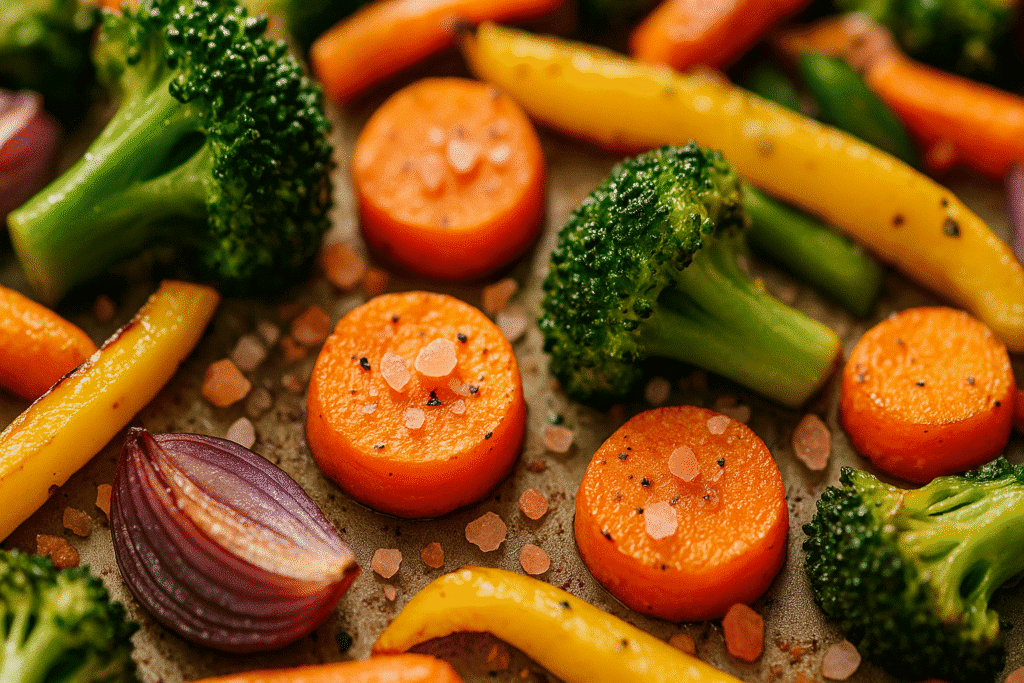
- Vegetables: Sprinkle over roasted or sautéed veggies for a touch of natural saltiness.
- Soups & stews: Add to broths and stews in small amounts to bring out depth and balance.
One popular technique is to use a pink salt block for cooking, which imparts a mild saltiness to food while creating an eye-catching presentation.
Pink salt in desserts and drinks
Pink salt isn’t just for savory dishes — it adds a sophisticated touch to sweets and beverages too:
- Chocolate desserts: Sprinkle a tiny pinch on brownies, cookies, or dark chocolate bark for a flavor boost.
- Caramel treats: Enhance homemade caramels or sauces with a dash of pink salt for a salty-sweet contrast.
- Cocktails: Rim glasses with fine pink salt for margaritas or other cocktails.
- Morning hydration drink: Try the 4-ingredient pink salt trick as part of your morning routine.
This creative approach makes pink salt more than just a seasoning — it becomes a gourmet experience.
Common Mistakes to Avoid When Using a Pink Salt Recipe
Overuse of pink salt: potential downsides
While the pink salt recipe has many benefits, it’s important to remember that salt — any salt — contains sodium, and too much sodium can still negatively affect your health. A common mistake is assuming pink salt is “so healthy” you can use unlimited amounts. In reality:
- Excessive sodium intake can still contribute to high blood pressure.
- Over-seasoning can overwhelm the natural flavors of your dish.
- Drinking too much pink salt water can upset your body’s electrolyte balance.
Moderation is key. Most nutritionists recommend staying under 2,300 mg of sodium daily for adults, even when using mineral-rich pink salt.
How to balance taste and health benefits
Another mistake is focusing solely on the health benefits and ignoring taste. Remember, the goal of the pink salt recipe is to enhance both your health and your meals. Here are some tips to strike the right balance:
- Start with small amounts and adjust to taste.
- Use pink salt in place of table salt, not in addition to it.
- Taste as you go when cooking — pink salt tends to be slightly milder in saltiness than white salt.
- Pair with fresh herbs, spices, and citrus to deepen flavors without excess salt.
By avoiding overuse and pairing pink salt thoughtfully with other ingredients, you can enjoy all its benefits while keeping your meals delicious and nutritious.
Conclusion: Start Enjoying the Benefits of the Pink Salt Recipe Today
Switching to a pink salt recipe in your kitchen is a small but powerful step toward healthier, more flavorful meals. From its mineral-rich profile to its role in hydration, digestion, and even weight management, pink salt is more than just a trendy seasoning — it’s a natural choice for anyone looking to cut down on processed ingredients without sacrificing taste. Whether you try the 4-ingredient morning drink, craft your own blends, or simply sprinkle it over your favorite dishes, pink salt can elevate both your health and your cooking experience.
Frequently Asked Questions About the Pink Salt Recipe
What is the 4-ingredient pink salt trick?
The 4-ingredient pink salt trick is a simple, mineral-rich drink made with Himalayan pink salt, warm water, lemon juice, and a touch of honey. It’s designed to hydrate your body, balance electrolytes, and improve digestion first thing in the morning. Just dissolve 1 teaspoon of pink salt in warm water, add fresh lemon juice and honey, stir, and enjoy slowly before breakfast.
What is the pink salt trick for weight loss recipe?
The pink salt weight loss recipe refers to the same morning hydration drink but focuses on its benefits for reducing bloating, curbing cravings, and supporting metabolism. By helping your body maintain proper mineral balance and hydration, it can make it easier to follow a healthy eating plan and feel less inclined to overeat. While not a “miracle” solution, it can support your overall weight loss goals as part of a healthy lifestyle.
Does the pink salt recipe actually work?
Many people report improved hydration, digestion, and even reduced cravings after adding the pink salt drink to their routine. While no scientific study directly proves it causes weight loss, its benefits for hydration, electrolyte balance, and mindful eating are well documented. Used in moderation, it can be a helpful addition to a healthy diet.
How to make pink salt?
If you’d like to make pink salt at home, simply buy authentic, food-grade Himalayan pink salt (either coarse or fine). If you purchase it coarse, grind it using a ceramic or stainless steel grinder into a fine consistency. Store it in an airtight jar in a dry place to keep it fresh and clump-free.
What is the formula for pink salt?
The basic formula for using pink salt in cooking is a 1:1 replacement for white salt. If blending your own seasoning, a good base ratio is 3 parts pink salt to 1 part herbs, spices, or other flavorings. For the hydration drink, mix 1 teaspoon pink salt per 8–10 ounces of warm water, adding lemon and honey to taste.
Why is pink salt healthier than white salt?
Pink salt retains over 80 trace minerals naturally found in the earth, giving it a nutritional edge over heavily processed white salt. It’s less harsh in flavor, contains no additives or bleaching agents, and can support proper hydration and electrolyte balance. This makes it a healthier and more natural choice for your cooking and seasoning needs.